Mental Health Initiatives in Indian Colleges: New Faculty Training in 2026
Indian colleges are introducing faculty training for student mental health in 2026. Learn how this initiative improves student well-being and academic success.
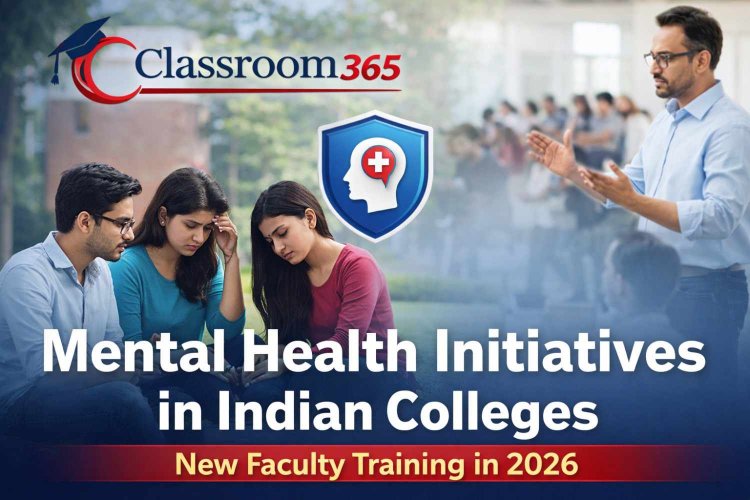
Mental health has become one of the most critical priorities in Indian higher education. Rising academic pressure, career uncertainty, digital overload, and social challenges are affecting student well-being at scale. Recognizing this shift, Indian colleges are introducing structured mental-health training for faculty in 2026—a decisive move toward safer, more supportive campuses.
This blog explains why faculty training matters, what’s changing in 2026, and how these initiatives will transform student life and academic outcomes in India.
Why Mental Health Is a Priority in Indian Colleges
Over the past decade, colleges have reported:
-
Increased stress, anxiety, and burnout among students
-
Academic pressure linked to competitive exams and placements
-
Social isolation due to digital learning and urban migration
-
Persistent stigma that prevents students from seeking timely help
According to national health and education bodies, student mental health has become a growing public-health concern.
???? Reference (policy & health context):
https://www.mohfw.gov.in
https://www.who.int/teams/mental-health-and-substance-use
What’s New in 2026: Faculty Training for Student Mental Health
From 2026 onward, several states and higher-education bodies are rolling out formal faculty training programs to help teachers:
-
Identify early signs of student distress
-
Respond empathetically and responsibly
-
Refer students to professional support systems
-
Build inclusive, stress-sensitive classrooms
Instead of relying only on counselors, colleges are adopting a whole-campus approach, where teachers become the first line of support.
Why Faculty Training Is a Game-Changer
Faculty interact with students daily. With the right training, they can:
-
Detect behavioral changes early
-
Reduce stigma through open conversations
-
Prevent minor issues from escalating into crises
-
Improve academic engagement, attendance, and outcomes
This approach aligns Indian campuses with global best practices in student well-being.
Key Components of Faculty Mental-Health Training (2026)
1. Mental Health Awareness & Sensitization
Faculty are trained to understand:
-
Anxiety, depression, and stress disorders
-
Academic burnout and exam pressure
-
Digital addiction and social withdrawal
The objective is to normalize mental-health discussions on campus.
2. Early Identification & Classroom Signals
Teachers learn to spot:
-
Sudden drops in attendance or academic performance
-
Behavioral changes or social isolation
-
Emotional distress during exams or assessments
Early identification enables timely support and intervention.
3. Basic Intervention & Referral Skills
Faculty are not expected to act as therapists, but they are trained to:
-
Listen without judgment
-
Communicate supportively
-
Guide students toward counselors or helplines
???? National student mental-health initiative:
https://www.education.gov.in/manodarpan
4. Creating Low-Stress Academic Environments
Training also covers:
-
Flexible assessment strategies
-
Inclusive and student-friendly teaching methods
-
Reducing unnecessary academic pressure
These changes directly improve learning outcomes and student retention.
Impact on Students in 2026
With trained faculty across campuses, students benefit from:
-
Safer and more empathetic learning environments
-
Reduced stigma around mental health
-
Improved academic focus and confidence
-
Early access to professional help
Related reading:
???? Best Career Options for Students in 2026
https://classroom365.in/blog/best-career-options-students-2026/
How This Aligns with NEP 2020
The National Education Policy (NEP) 2020 strongly emphasizes:
-
Holistic student development
-
Emotional and psychological well-being
-
Teacher training beyond subject knowledge
Faculty mental-health training directly supports these national education goals.
???? Official NEP source:
https://www.education.gov.in/nep2020
Challenges Colleges Must Address
Despite progress, institutions must manage:
-
Shortage of trained counselors
-
Faculty workload and time constraints
-
Need for continuous training updates
-
Ensuring confidentiality and student trust
Effective implementation—not just policy announcements—will define success.
Mental Health & Career Outcomes: The Hidden Link
Students with strong mental well-being:
-
Perform better academically
-
Make clearer career decisions
-
Adapt more effectively to workplace challenges
Mental-health initiatives are a long-term investment in India’s future workforce.
Related reading:
???? Courses That Guarantee Internship + Placement in India (2026)
https://classroom365.in
What Parents & Students Should Do
Students should:
-
Seek help early
-
Participate in campus well-being programs
-
Avoid normalizing extreme stress
Parents should:
-
Encourage open communication
-
Support balanced academic expectations
-
Choose colleges that prioritize student well-being
How Classroom365 Supports Students Holistically
At Classroom365, we believe education success begins with mental well-being. We help students:
-
Choose colleges with supportive academic environments
-
Understand education reforms and campus policies
-
Plan careers with balance, clarity, and confidence
Explore more insights here:
???? https://classroom365.in/blog/
???? Official contact email:
info@classroom365.in
Conclusion
The introduction of faculty mental-health training in Indian colleges in 2026 marks a powerful shift—from reactive counseling to proactive, preventive care. By empowering teachers, institutions are creating campuses where students can thrive academically, emotionally, and professionally.
This reform is not just about mental health—it’s about building resilient, future-ready graduates.
What's Your Reaction?